

Over the past decade, artificial intelligence has been making significant strides in various industries, including art and music. In this blog post, you will explore how AI technologies are reshaping the creative landscape, transforming the way we perceive and produce art and music. From generating mesmerizing artworks to composing soul-stirring melodies, AI is pushing the boundaries of creativity like never before. Join us on a journey through the exciting intersection of technology and artistic expression.
Key Takeaways:
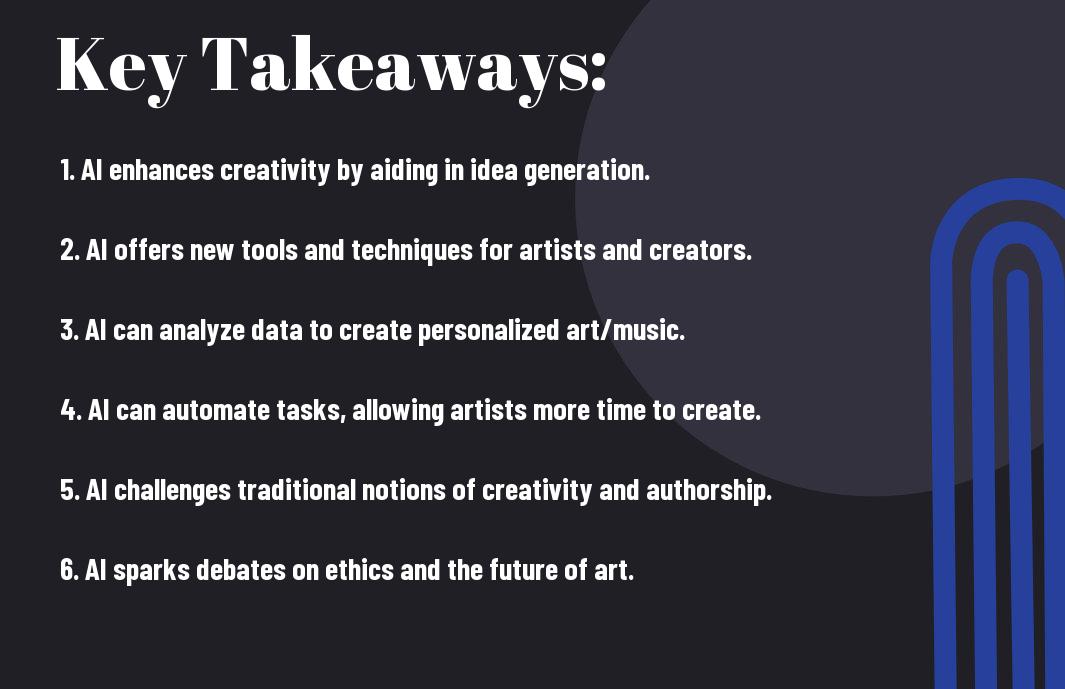
- AI is transforming the creative process: Artificial Intelligence is changing the way artists and musicians create by offering new tools and techniques to innovate and experiment.
- Collaboration between humans and AI: The future of creativity lies in the collaboration between humans and AI, where the unique capabilities of both are leveraged to push the boundaries of art and music.
- Ethical considerations and challenges: As AI plays a larger role in creativity, it is crucial to address ethical concerns such as ownership of AI-generated art and music, as well as biases that may be embedded in AI algorithms.
The Rise of AI-generated Art
While AI-generated art may still seem like a futuristic concept, significant advancements have already been made in this field. AI algorithms are now capable of creating stunning visual artworks, music compositions, and even literature. The creative boundaries are being pushed as AI continues to evolve, sparking a new era in artistic expression.
- Generate a unique piece of abstract art using AI.
- Write a short story inspired by a given image generated by AI.
- Compose a classical music piece based on a specific theme using AI.
The Early Days of AI-generated Art
An exploration into the early days of AI-generated art reveals a landscape filled with experimentation and curiosity. Artists and technologists alike were delving into the possibilities of what AI could create, testing its limits and capabilities. At this stage, the results were often intriguing but lacked the finesse and depth of human-generated art.
- Describe the first AI-generated painting you ever saw.
- Discuss the challenges faced by AI artists in the early stages of development.
- Imagine a world where AI art dominates the art scene - what would it look like?
Current State of AI-generated Art
An examination of the current state of AI-generated art showcases a remarkable growth in sophistication and quality. AI algorithms are now capable of producing art that not only rivals but sometimes surpasses human-created works. From intricate paintings to complex musical compositions, AI is blurring the lines between man and machine in creativity.
- Discuss the impact of AI-generated art on the traditional art world.
- Compare and contrast a famous piece of art created by AI versus a renowned human artist.
- Explore the ethical implications of AI art in terms of ownership and authorship.
It is incredible to witness the evolution of AI-generated art and the way it is reshaping the creative landscape. As AI continues to advance, pushing boundaries and exploring new horizons, the future of art holds endless possibilities that are both exciting and transformative.
The Impact on Traditional Artists
You, as a traditional artist, may wonder about the impact of AI on your craft. Here are some chatGPT prompts that can help you explore this topic further:
1. How can traditional artists incorporate AI into their creative process?
2. What are some examples of AI collaborating with traditional artists?
3. In what ways can AI technology enhance traditional art forms?
4. How do traditional artists feel about AI-generated art and music?
5. Can AI help traditional artists reach new audiences?
6. What are the ethical considerations of AI in traditional art creation?
The Fear of Replacement
On the flip side, there might be a fear among traditional artists of being replaced by AI in the creative process. It’s natural to have concerns about the role of AI in art and music creation. To research deeper into this topic, check out How AI Revolutionizes Art, Music, & Lit.
1. Are traditional artists at risk of being replaced by AI?
2. How can traditional artists adapt to the rise of AI in the creative fields?
3. What are the challenges traditional artists face in the age of AI?
4. Can AI truly replicate the human touch in art and music?
5. Will traditional art forms evolve or diminish with the integration of AI?
6. What steps can traditional artists take to embrace rather than fear AI technology?
New Opportunities for Collaboration
To further explore the potential for collaboration between traditional artists and AI, consider how working together can open up new creative avenues and possibilities.
1. How can traditional artists and AI collaborate to push the boundaries of creativity?
2. What innovative projects have emerged from the collaboration between artists and AI?
3. In what ways can AI enhance the skills of traditional artists?
4. Are there specific art forms that benefit most from collaboration with AI?
5. How can traditional artists leverage AI to explore new artistic territories?
6. What are the implications of AI-assisted art for the future of creative expression?
To fully harness the potential of collaboration with AI, it’s necessary to embrace new tools and technologies that can complement and augment your artistic vision.
1. How can artists effectively integrate AI into their creative process?
2. What are the advantages of collaborating with AI in art and music creation?
3. How can AI help artists expand their artistic horizons?
4. What resources are available for artists looking to incorporate AI into their work?
5. Can AI-driven insights enhance the creative journey for artists?
6. What are some best practices for artists engaging in AI-driven collaborations?
It’s clear that the evolving relationship between traditional artists and AI offers a wealth of opportunities for innovation and creativity. Embracing these new possibilities can lead to groundbreaking artistic expressions and collaborations that were previously unimaginable.
AI Music Composition
Now, let’s explore the fascinating world of AI music composition. With the advancements in artificial intelligence, we are witnessing a revolution in how music is created. AI systems are now capable of composing original pieces, mimicking different musical styles, and even collaborating with human musicians to produce amazing works of art.
- Generate a jazz composition in the style of Miles Davis.
- Create a classical symphony inspired by Beethoven.
- Produce a pop song that could rival today's chart-toppers.
From Algorithmic Beats to Melodic Masterpieces
Beats are the foundation of any music piece, and AI has excelled in generating intricate rhythms and catchy tunes. From simple drum patterns to complex electronic beats, AI algorithms can create a wide range of musical patterns to suit any genre or mood.
- Generate a funky bassline for a disco track.
- Create a hip-hop beat with a modern twist.
The Role of Human Input in AI-generated Music
Masterpieces created by AI often involve some level of human input. While AI can autonomously compose music, human composers and musicians can guide the process, adding emotional depth and creativity to the final piece. Collaboration between humans and AI can result in truly unique and innovative music that pushes the boundaries of traditional composition.
- Work with an AI system to create a symphony that blends classical and electronic elements.
- Collaborate with AI to compose a soundtrack for a futuristic sci-fi film.
Masterpieces created by AI are a testimony to the endless possibilities of technology in music composition. With the ability to learn from vast musical datasets and analyze patterns, AI systems can produce compositions that challenge our notions of creativity and artistry. As AI continues to evolve, we can expect even more groundbreaking music to emerge, blurring the lines between man and machine in the creative process.
Melodic creations birthed from the depths of algorithms are paving the way for a new era in music, where innovation knows no bounds. Whether it’s generating a heart-wrenching ballad or a high-energy dance track, AI music composition is opening doors to a universe of musical possibilities, inviting you to explore and experience the future of sonic artistry.
The Blurring of Lines between Human and Machine Creativity
For centuries, the notion of creativity has been synonymous with human ingenuity and expression. However, with the advancements in artificial intelligence, the boundaries between human and machine creativity are becoming increasingly blurred. AI algorithms are now capable of producing artworks, composing music, and even writing literature that can rival creations made by humans. This phenomenon raises intriguing questions about the nature of creativity and challenges traditional notions of artistic expression.
Here are some chatGPT prompt samples related to the subsection:
- How is AI impacting the creative process?
- Discuss the role of AI in reshaping artistic boundaries.
- Explore the ethical implications of AI-generated art.
- Can machines truly be considered creative?
- Analyze the impact of AI on the future of art and music.
Can AI Truly be Creative?
The integration of artificial intelligence in the creative realm has sparked debates about the authenticity of AI-generated content. Critics argue that true creativity stems from human emotions, experiences, and consciousness, elements that AI lacks. However, proponents of AI creativity argue that algorithms can simulate creativity by processing vast amounts of data and generating novel outputs. While AI can replicate patterns and styles seen in human creations, the question of whether it can possess genuine creativity remains a topic of ongoing exploration in the artistic community.
Here are some chatGPT prompt samples related to the subsection:
- Explore the concept of creativity in the context of artificial intelligence.
- Discuss the differences between human and AI creativity.
- Debate the limitations and possibilities of AI creativity.
- Can AI-generated art be considered original?
- Analyze the role of consciousness in creativity.
The Importance of Human Emotion in Art
Lines
The emotional depth and complexity imparted by human artists play a significant role in the creation and interpretation of art. Human emotions serve as the driving force behind artistic expression, influencing the themes, narratives, and nuances present in artistic works. While AI can mimic styles and patterns, the ability to infuse art with genuine human emotions remains a unique capability of human creators.
Here are some chatGPT prompt samples related to the subsection:
- Explore the relationship between human emotion and artistic expression.
- Discuss how human emotions contribute to the creative process.
- Analyze the impact of emotional authenticity in art.
- Can AI replicate the emotional depth of human-created art?
- How does the presence of human emotion enhance artistic experiences?
With the rapid advancements in AI technology, the distinction between human and machine creativity is becoming increasingly blurred. As AI continues to push the boundaries of what is possible in art and music, it challenges us to rethink our definitions of creativity and the role of human emotion in artistic expression.
The Business of AI-generated Art and Music
Many artists and musicians are now exploring the world of AI-generated content to push the boundaries of creativity. This new wave of innovation not only challenges traditional notions of art and music but also opens up exciting opportunities for businesses in the creative industry. As AI continues to evolve, it is revolutionizing how art and music are produced, consumed, and monetized.
1. Generate a piece of abstract art using AI.
2. How can AI help in creating unique music compositions?
3. Discuss the impact of AI on traditional art forms.
4. Explore the possibilities of AI-generated art in commercial applications.
Monetizing AI-generated Content
An increasing number of artists and musicians are finding ways to monetize their AI-generated creations. Whether it’s selling digital artworks as NFTs (non-fungible tokens) or licensing AI-generated music for commercial use, there are various avenues for generating revenue from AI-generated content. As discussed in a fascinating article on AI and Machine Creativity: How Artistic Production Is Changing, the intersection of AI and creativity is reshaping the business side of art and music.
1. How can artists make money from AI-generated art?
2. Discuss the concept of NFTs and its relevance to AI-generated content monetization.
3. Explore the role of AI in helping musicians secure licensing deals for their compositions.
4. Can AI-generated music be financially viable in the music industry?
The Future of Art and Music Markets
For artists and musicians, the future of art and music markets presents a landscape ripe with possibilities. AI is not just a tool for creating content; it is also shaping how this content is distributed, discovered, and consumed. With AI algorithms playing a role in recommending art and music to users based on their preferences, the market dynamics are evolving rapidly.
1. How will AI influence the buying patterns of art collectors in the future?
2. Discuss the democratization of art through AI-driven platforms.
3. Explore the potential impact of AI on the music streaming industry.
4. Can AI help artists and musicians reach new global markets more easily?
Markets are shifting, and the traditional gatekeepers of art and music are being challenged by the democratizing force of AI. As an artist or a music creator, adapting to these changing market dynamics and leveraging AI technologies can open up new avenues for showcasing your work to a global audience. The future holds immense potential for those willing to embrace the fusion of AI and creativity.
The Ethical Considerations
All emerging technologies come with ethical considerations that need to be addressed as they become more prominent in our lives. As far as AI-generated art and music, there are several key areas where ethical dilemmas may arise. Here are some important considerations to keep in mind:
- Should AI-generated art be attributed to the AI itself or its human creator?
- How do we ensure that AI-generated content does not infringe upon existing copyrights?
- What are the implications of using AI to replicate the style of deceased artists?
- Are there ethical issues surrounding the use of AI to manipulate emotions through music and art?
- How can we prevent AI from perpetuating biases present in the training data?
Authorship and Ownership of AI-generated Work
Authorship considerations in AI-generated work blur the lines between human creativity and machine output. Questions arise about who should be credited for the creation: the programmer who designed the AI, the AI itself, or a combination of both. Ownership rights become complex when the creative process involves AI. Ensuring legal frameworks adapt to encompass these nuances is crucial for protecting intellectual property and acknowledging the contributions of all involved parties.
- Should AI-generated art be considered as intellectual property?
- Who holds the copyright for AI-generated music?
- How do we distinguish between human and AI contributions in collaborative projects?
Bias in AI-generated Art and Music
Work produced by AI in art and music is not immune to biases embedded in the data it learns from. These biases can manifest in various forms, such as reinforcing stereotypes, reflecting limited cultural perspectives, or favoring certain styles over others. Ensuring a diverse and inclusive training dataset and implementing bias detection mechanisms are crucial steps to mitigate these issues and foster a more ethical and representative AI creative landscape.
- How can we identify and address biases in AI-generated art and music?
- What measures can be taken to promote diversity and inclusivity in AI creativity?
- Are there ethical implications in using biased AI-generated work for commercial purposes?
Bias in AI-generated art and music poses a significant challenge in the quest for ethical and inclusive creative outputs. Addressing biases requires a multifaceted approach, involving diverse datasets, transparent algorithms, and continuous monitoring to ensure fair and representative AI-generated content.
To wrap up
Ultimately, the integration of AI in art and music is revolutionizing the creative process in ways we could have never imagined before. By harnessing the power of algorithms and machine learning, artists and musicians are able to explore new possibilities, push boundaries, and create innovative works that challenge traditional norms. As you research deeper into the world of AI-generated art and music, remember that while the technology may be shaping the future of creativity, it is ultimately your unique perspective and creativity that will continue to drive innovation and inspire others.
Recent Comments